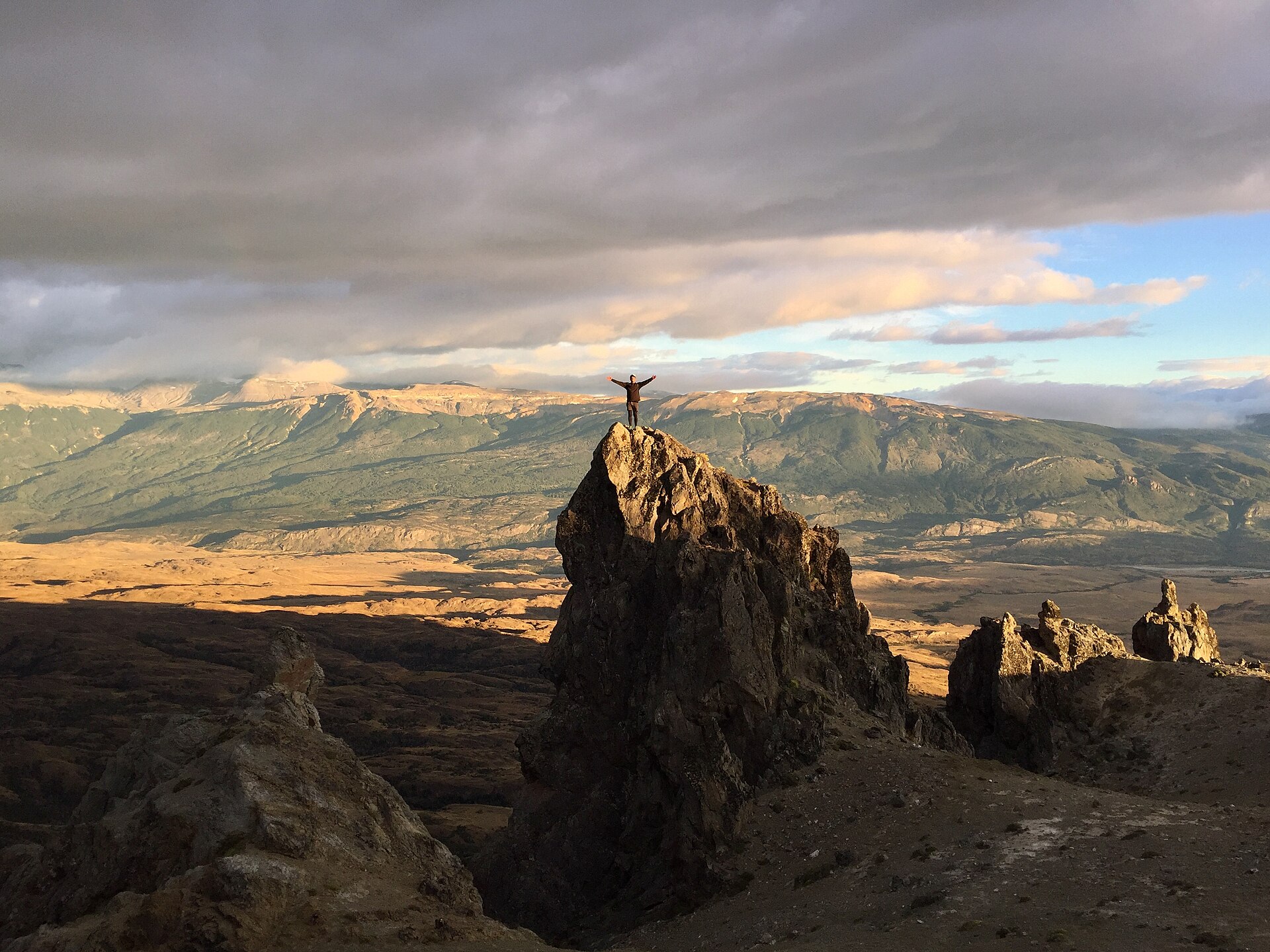
For many years, I watched nature disappear around me.
First, the forest beyond the town disappeared. Then the open-pit mines grew — spreading wider, moving ever closer, taking over land where, not long before, there had been life. I saw coal being mined and, with it, everything around me changing: the terrain, the forest, the water, the land itself.
It always hurt me. Not only because the landscape was becoming ugly. I understood that life itself was disappearing — trees, grass, water, animals, insects, the whole intricate living world that had existed here before us.
At the same time, I was reading about the people who owned the mining companies. About the growth of their businesses, their profits and fortunes, their places on lists of the world’s richest people.
These two pictures were always there, side by side. On one side was land from which natural resources were being extracted, changing before my eyes, sometimes beyond recognition. On the other were the immense fortunes of people whose capital was tied to that extraction.
And one day I began to wonder: what, if anything, goes back the other way?
Do people whose immense fortunes are connected to the extraction of natural resources voluntarily give anything back to nature? Not their companies, as part of mandatory reclamation, environmental standards or government requirements. The people themselves — as private individuals.
Do they buy forests in order to conserve them? Do they bring damaged land back to life? Do they fund the restoration of rivers, wetlands, animals and entire ecosystems? Do they spend their own money on it?
Perhaps this question was also connected to a dream of my own.
I would like to work with land like this. To be entrusted with places that people have already profoundly altered or destroyed, and to try to bring them back to life. Not merely to fill in a pit, level the surface and report that reclamation has been completed. I want to know whether it is possible to restore a real ecosystem there — one that might one day sustain itself again without constant human intervention.
And I am surely not the first person to have had this thought.
Gradually, then, the question became very simple:
are there “Forest Lovers” among the owners of extractive capital?
That was where our investigation began.
A forest bought not for development
The first person I thought of was Tim Sweeney, the founder of Epic Games. I had once read that he buys land not to build on it, but to conserve the forest. His story was what first made me speak about wanting a taiga of my own.
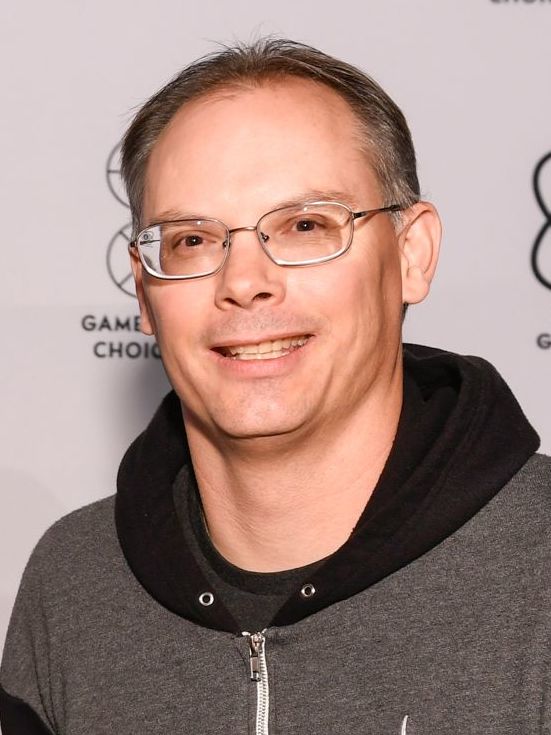
But an appealing story is not enough for an investigation. So we counted only what we could confirm with documents: which land Sweeney bought with his own money, to whom and when he transferred it, and what protection was put in place after the transfer.
Without double-counting, we found at least 15,368 acres in completed direct transfers. In 2024, the Southern Appalachian Highlands Conservancy received 7,500 acres from Sweeney and created the permanently protected South Yellow Mountain Preserve.1 A further 7,369 acres at Falkland were transferred to the Virginia Department of Conservation and Recreation.2
What happened to this land? It did not first have to be destroyed and then rescued. Existing forest and other natural areas were protected from development and other uses. This is conservation.
There is also work that already resembles restoration. More than 70,000 hybrid American chestnut trees were planted at South Yellow Mountain. At Belview Mountain, former sites used by mining equipment are gradually regenerating on their own.3 But we could not establish who paid for the chestnut planting. And the conservation organisation did not buy Belview solely with Sweeney’s money.
The honest formulation, then, is this: we proved Sweeney’s personal purchase and transfer of the land. What we could not prove was that the entire subsequent conservation outcome was his.
Even so, this story brought me back to my dream. Only now I was no longer thinking simply about owning a forest. I wanted to take on land that people had destroyed and begin bringing back its soil, water, native plants, fungi, microorganisms, animals and the connections between them. Not to plant a few trees for a beautiful photograph, but to set in motion a process that might last longer than a human life.
Alnoba: the forest I walked through
I have walked through the forest at Alnoba myself.
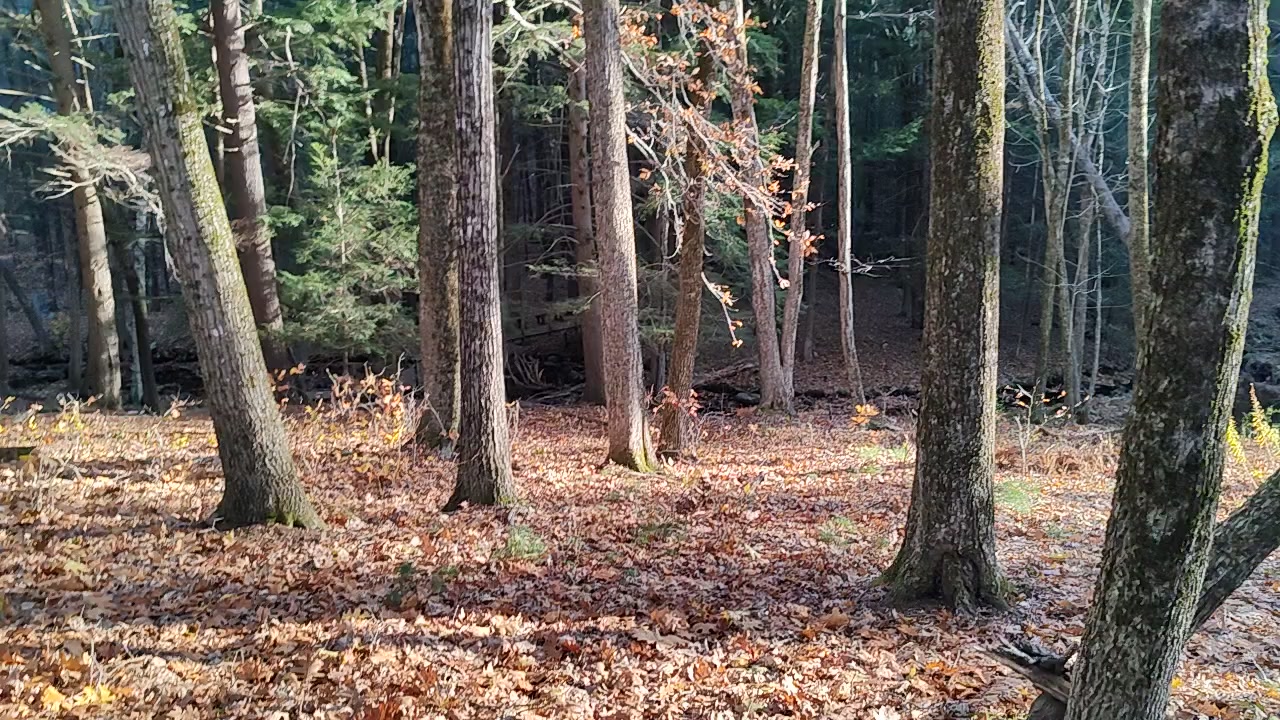
In 2025, the Alnoba Leadership Awards honoured me, and Anfisa and I travelled to New Hampshire. I walked among the trees and saw the ponds and the land that the Lewis family has cared for over many years. For me, this visit was not someone else’s beautiful story from the internet. I was standing inside it.
My archive contains the correspondence, invitation, programme, official Alnoba Leadership Awards 2025 booklet and travel documents.4 They prove that I was there. But they do not prove the full history of the land. We therefore examined Alnoba as we would any other case.
A 2020 municipal property record lists 524.53 acres belonging to the Alnoba Lewis Family Foundation and its predecessor. Today Alnoba describes the property as approximately 600 acres.5 Independently, we were able to confirm a conservation restriction covering at least 33.97 acres. The organisation itself reports that more than 200 acres are protected.6
There is one further concrete result. The family transferred land to the town for Sawyer Park and paid approximately US$3.2 million to create the park.7
Where did the money come from? Tax filings confirm family capital in the foundation. An amended return for 2022 records a contribution of US$5.964 million from Alan Lewis.8 In the 2024 grants list, we found US$1.607 million for seven conservation recipients. But the figures cannot simply be added together and called spending on nature. The purposes of the grants are described in the filing with the single word GENERAL. A further US$1.604 million in expenditure related to the foundation’s own work, but without a detailed conservation breakdown.9
Alnoba itself tells the story of a former dump, the clean-up of the land, the ponds, the forest and the planting. But we have not yet assembled an independent chain of documents for every stage. I therefore cannot describe all 600 acres as a restored ecosystem.
What can be said with confidence? This is family land. It has been managed over a long period. Part of the property has a confirmed conservation restriction. The foundation makes conservation grants. The word “restored”, however, requires greater caution here.
Alnoba matters to me not because it should win some competition among philanthropists. There is no such competition. It matters because this is where my own experience met a question that can be tested: what can one family do with land if it thinks not only about itself, and not only within the span of its own life?
How we looked for an answer
Two stories were not enough. Even ten were not enough. So we assembled thirty.
First, we took ten of the world’s largest owners of fortunes connected to the extraction of natural resources. Then ten from Russia: five from the coal business and five from other extractive industries. The third group consisted of ten people and families whose conservation work was already documented.
There is an important limitation here. We cannot compare these groups and triumphantly announce that people in the third group do more for nature. We selected that group precisely on this basis. Its purpose is not to create a competition, but to show what people actually do, the scale of their work and how well the outcome is documented.
We asked the same questions about every participant.
Who paid? What happened to the land? What area is actually confirmed? Did the person act voluntarily, or was the company complying with the law? Was an existing forest conserved, was a damaged site technically reclaimed, or did ecological restoration genuinely begin? Has the outcome already been measured — or does only a promise exist so far?
The question of money proved the most difficult.
An individual’s personal funds are one thing. Family capital is another. A foundation may bear its founder’s name while also having its own funds, outside donors and partners. A company pays separately, even if it is controlled by one person. And the clean-up of pollution, reclamation and compensation for damage are often not voluntary choices at all. They are obligations imposed by law, a licence, a court ruling or a regulator.
Why separate all of this? Not to diminish useful work, but to avoid calling company expenditure personal generosity, and to avoid crediting one person with an outcome that many others helped to fund.
For example, at Grupo México, which is linked to the family of Germán Larrea, we found substantial work: the clean-up of old tailings areas at Ite and obligations following the Río Sonora spill. A new wetland habitat developed at Ite, although residual contamination remained. At Río Sonora, the company committed 1.5 billion pesos; the first payment of 500 million is confirmed.
The money is real. The work is real. But this is corporate and legally required expenditure, not Larrea’s personal philanthropy.
“Forest Lovers” among owners of extractive capital
The answer was not what one might have expected after what I had seen in Kuzbass.
Yes, among people and families whose fortunes are connected to the extraction of natural resources, we did find “Forest Lovers”. They voluntarily invest personal or family money in forests, protected areas, scientific research and restoration projects. These stories are not all the same. And much of what a connected company or foundation has done cannot be described as their personal contribution. But it would be untrue to say that such people do not exist.
The Luksic family
The Luksic family foundation manages Parque Pirinel in Chile. The foundation reports 12,000 hectares of existing Valdivian temperate rainforest. Chile’s state forestry service confirms that it monitors animals there together with the park team.10
Is the entire stated area confirmed by documents? No. We were able to trace the history of 3,785 hectares. We did not obtain a complete cadastral list for all 12,000 hectares. Nor did we find a document establishing a permanent special protection regime for the whole property.
Pirinel is not a restored mine. It is an existing forest that is being conserved. We did not establish a personal payment by Iris Fontbona. Tax and corporate documents do, however, confirm the involvement of the family foundation.11
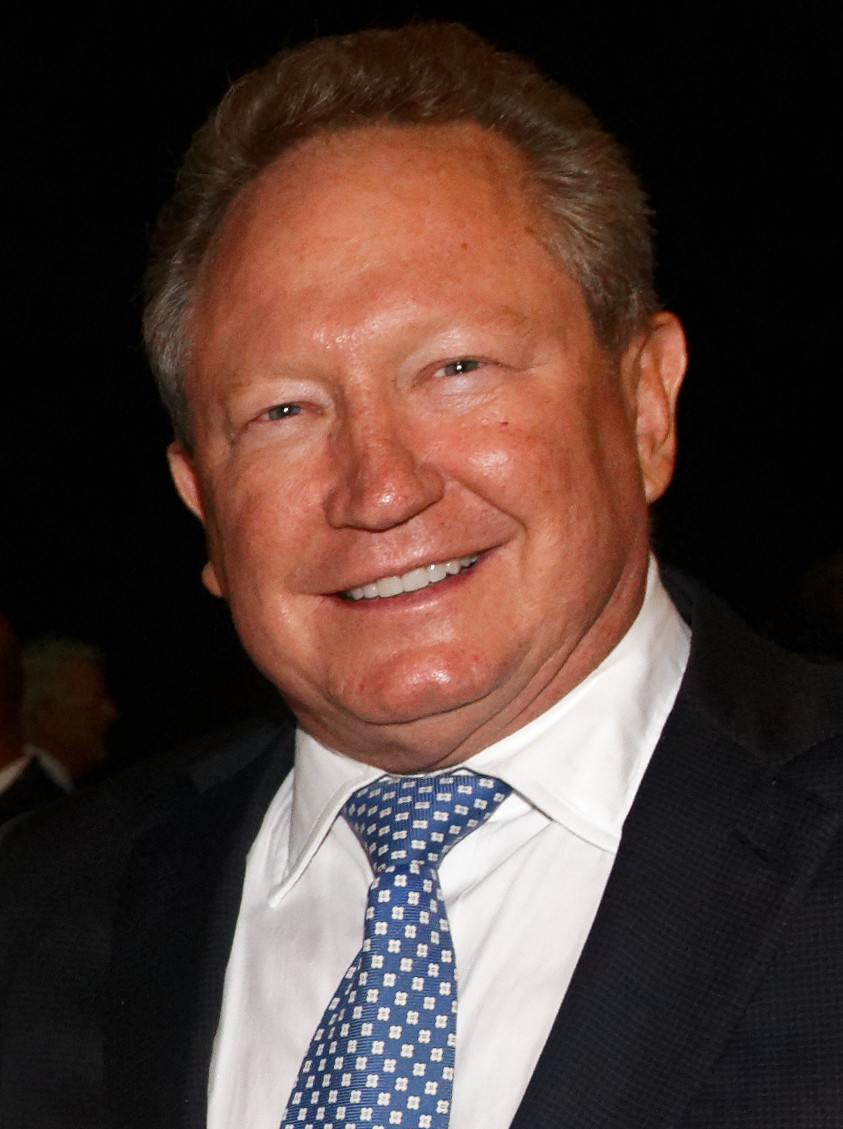
Andrew and Nicola Forrest
Andrew and Nicola Forrest transferred 220 million Fortescue shares to Minderoo. At the time, they were valued at approximately A$4.928 billion.12 This is an immense and documented family contribution. But the full amount was not spent on nature: Minderoo works across several fields.
The foundation has announced a total of A$170 million for ocean initiatives. One specific project is in the Swan–Canning Estuary. The work covered six hectares. The original plan to create self-sustaining mussel reefs was not achieved. Other native shellfish did, however, colonise the structures, and fish above them were more numerous and diverse than over nearby bare seabed.13
This is a good example of an outcome that did not match the original promise, yet was still real.
Several participants paid for the project. We can therefore say that the family invests its own funds, but does not fund the entire project alone.
What happens at Fortescue’s mines? There, closure and reclamation are tied to permits, plans and the company’s own financial obligations. In 2025, Fortescue reported that habitats had not yet been restored.14 That does not make Minderoo’s work less important. But neither can its results be treated as evidence of what is happening at Fortescue’s mine sites.
Andrey and Alexandra Melnichenko
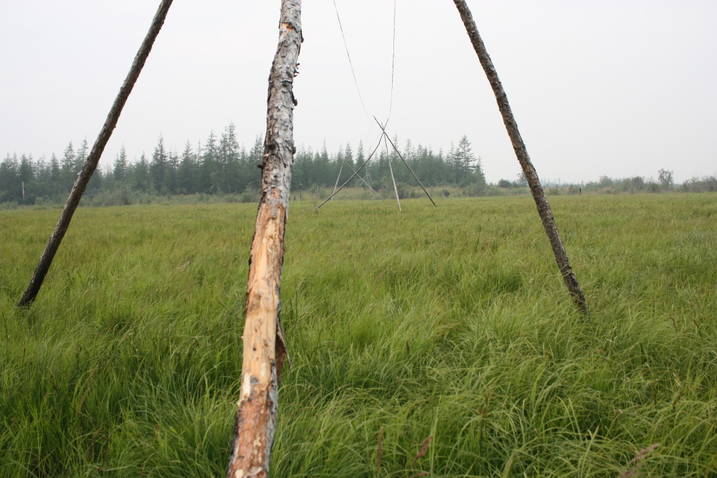
A foundation connected to Andrey and Alexandra Melnichenko entered into a ten-year agreement to support Pleistocene Park. The foundation helped to purchase and transport animals.15 This is voluntary support for an ecological experiment.
Here, however, it is especially important not to confuse what has already been done with what remains an aim. The park’s working territory is approximately 20 square kilometres. The figure of 150 square kilometres is a plan. Scientists have recorded local changes in vegetation, thaw depth and carbon exchange. These findings do not mean that the entire ecosystem has been restored.16
The precise amount of family support has not been disclosed. Nor do we know the source of every payment. The park has other donors, and the family does not own the land. But it would also be dishonest to deny a documented private contribution simply because we do not know the full amount.
Vladimir Potanin
At the Vladimir Potanin Foundation, we found a separate contribution of 10 million roubles to an endowment for conservation programmes, as well as practical projects in specially protected natural areas. During the 2025 season, work was carried out at 26 natural sites.17
The foundation’s entire capital cannot be treated as a conservation budget, and not all of its work concerns nature. But here there is both a specific private contribution and specific work on the ground. This is documented.
Dang Yanbao
The Dang Yanbao family allocated 100 million yuan to climate research. This is a substantial voluntary contribution. But it is not a land purchase or ecosystem restoration.
Restoration work is under way on disturbed land at Baofeng company sites. At the Maliantai mine, the project covers 64.04 hectares. But the mine remains in operation, and this expenditure forms part of the company’s obligations. Without further evidence, the stated 160,000 mu Ecological Ranch cannot be described as a restored natural system either.
One story can contain both a genuine private grant and mandatory corporate reclamation. Combining them would produce a more attractive picture. But it would be the wrong one.
To conserve is not to restore. But it is not “less”
When we began this work, it seemed to me that restoration was almost always a stronger act than conservation. Restoring what has been destroyed is so difficult. But I came to understand that comparing them in this way is wrong.
If a forest still exists and someone prevents it from being cut down or developed, that is an outcome in its own right. Perhaps that is precisely why it will never have to be brought back.
Restoration is needed where nature has already been damaged: on former farmland, in a tree plantation, on a drained peatland, along a straightened river, on contaminated industrial land, in a quarry, an open-pit mine or an underground mine.
But “restoration” turned out to be a very convenient word. It can be applied to almost anything that has turned green.
A reshaped landform is not yet an ecosystem.
A green slope is not yet a steppe.
Planted trees are not yet a mature forest.
A closed mine site is not yet nature restored.
Reclamation is necessary. It can stabilise the surface, reduce erosion, isolate hazardous materials, restore vegetation cover and make land suitable for further use. But a green surface alone is not enough to call an ecosystem restored. We need to know what has happened to the soil and water, whether native plants and animals have returned, and whether the result persists without constant human assistance.
This can be seen clearly on land in the Komi Republic where LUKOIL operated. The company reported more than 1,250–1,300 hectares of reclaimed land and total expenditure exceeding 4.6 billion roubles. This sum included different kinds of environmental work, so it cannot be divided by the number of hectares to produce a “restoration price”.18
Scientists observed the sites for twelve years. Oil in the soil declined by 55–90 per cent, and vegetation cover appeared. That is an important result. But the plant communities differed markedly from the original tundra, while the grasses that had been sown impeded the return of native vegetation.19
Does that mean the work was useless? No. Contamination decreased and the land became greener. But that does not make it the tundra it once was. There is one more boundary: the money was corporate, and some of the pollution had been left by previous extractive operators. We did not find a personal payment by Vagit Alekperov.
When can we ask about a former mine?
At this point we nearly reached a conclusion that would have been both too simple and unfair.
If we find no voluntary restoration by the owner of an extractive business, it is easy to write: they did not want to give back the land from which they had profited. But what exactly are they supposed to restore if the mine or quarry is still operating?
An ecosystem cannot be restored on land where extraction continues. Nor can one find an old mine near a modern company and immediately make its current owner responsible. First, it is necessary to establish who owned the site while it was operating, who was responsible for closure, what work was mandatory, whether it has been completed, and whether the current owner retains any connection to the land.
We therefore looked not only at abandoned sites. We reconstructed the history of every relevant site.
For many participants, the principal operations are still active: the Elga project, the Uvalnaya mine, Stoilensky GOK, Dang Yanbao’s coal mines and most Fortescue sites. It is simply too early to ask why nature was not restored there after closure.
At other sites, mandatory work is continuing. The Baumansky quarry, connected to Severstal, ceased extraction in 2010. Closure and reclamation of 205.7 hectares are planned for 2025–2027.20 Until this stage is complete, we cannot test whether a voluntary family initiative by the Mordashovs will follow.
The Polysayevskaya mine is no longer extracting coal and has been in care and maintenance since 2019. But in 2025 it was still listed as a hazardous production facility belonging to SUEK-Kuzbass JSC.21 We did not find a certificate confirming completion of the preservation process. It would therefore be premature to write that “the Melnichenko family did not restore a closed mine”.
Sometimes a site changes owners. In Gina Rinehart’s case, we found four closed Atlas sites — Pardoo, Mt Dove, Abydos and Wodgina. The main work on disturbed land was carried out in 2013–2017. Hancock acquired Atlas in 2018. The company later continued monitoring. The family cannot be credited with all of the earlier work. Nor can we claim that no work was done.
Extraction at the Udarnovskaya mine on Sakhalin stopped in 2017. The workings were sealed, a substantial part was flooded, and methane is monitored. An entity linked to Oleg Misevra held 45.98 per cent, but there were also private and state co-owners. We confirmed safe closure measures. We did not confirm the return of soil, water, native vegetation and animals. Nor did we confirm a personal payment by Misevra.
Kuzbass: what remains after closure
Kuzbass brought me back to the place where the whole question began.
Not in order to make a present-day billionaire responsible for the fate of every old mine, but to show how long a closed operation can remain part of both people’s lives and the land — and how difficult it can be even to understand who pays for what.
In 2014, Rosnedra bundled two related matters into a single auction. Sibenergougol LLC received the right to mine coal at the Bungursky Yuzhny-2 and 8 Marta-2 sites — together with an obligation to carry out closure work at the former Kiselevskaya mine. The one-off payment for the subsoil-use right was 215.6 million roubles.22
This was not a gift to nature or the owner’s personal philanthropy. It was a condition attached to the new licensee’s receipt of new extraction rights. Taking on that obligation did not make the new licensee the former owner of the old mine.
Krasnokamenskaya has a different history. A 2025 first-instance court judgment states that the legal entity ceased operating on 11 July 2012. The preserved copy is marked as not having entered into legal force, so we do not treat it as a final judicial outcome. But it contains an important documentary chain: a 2020 VNIMI assessment found a residential building unfit for habitation and subject to demolition because of the effects of mining by the already closed mine. Resettlement is financed through a state restructuring programme.23
This is not ecological restoration. It is an attempt to protect a person from the consequences of former mining operations. But this case shows especially clearly that the date on which an enterprise is legally liquidated is not the date on which its impact disappears.
The case we looked for and did not find
There was, however, one very specific case that we pursued to the end:
voluntary personal or family funds → land disturbed by the owner’s own extraction → mandatory work completed → genuine ecological restoration beyond legal requirements.
Among the twenty owners of extractive capital and the closed or transitional sites that we were able to examine, we did not find a case in which this entire chain was fully documented.
Can we therefore write: “Owners of extractive capital do not restore their own land”? No.
We examined only our sample and the documents available to us. Some operations are still active. At others, mandatory work has not been completed. Some owners acquired a site only after the principal reclamation work. In certain cases, the ownership history was too complex to honestly link the land to one particular person.
Not finding it does not mean that it has never happened anywhere. It means only this: within the bounds of our work, we did not find a case in which the entire chain was proven.
Bringing land back
Then we looked at people selected according to a different criterion. This time, the criterion was not the origin of their wealth, but the fact that their work with nature was known and supported by documents.
Here, the land told a very different set of stories.
Hansjörg Wyss used his personal capital to create a major foundation. Tax records for 2012 show two contributions from him totalling US$1.235 billion. In 2024, the foundation made US$222.645 million in grants. It classified approximately 41 per cent of them under conservation/environment.24
But the foundation does not work alone. Conservation organisations, governments and local residents participate in its projects. There is, however, a very clear example of Wyss acting personally. He bought a property that was subsequently transferred to Saguaro National Park through the Trust for Public Land. A total of 282 acres came under protection.25
For many years, Douglas and Kristine Tompkins bought land, managed it, restored particular areas and transferred land to governments. Chile received 407,625 hectares of private land. But another figure often appears alongside this one — 4.520 million hectares. That is the entire network of parks created. It also included 949,368 hectares of new state land and 2.663 million hectares of areas that were already protected.26 The full 4.520 million hectares therefore cannot be described as the family’s gift.
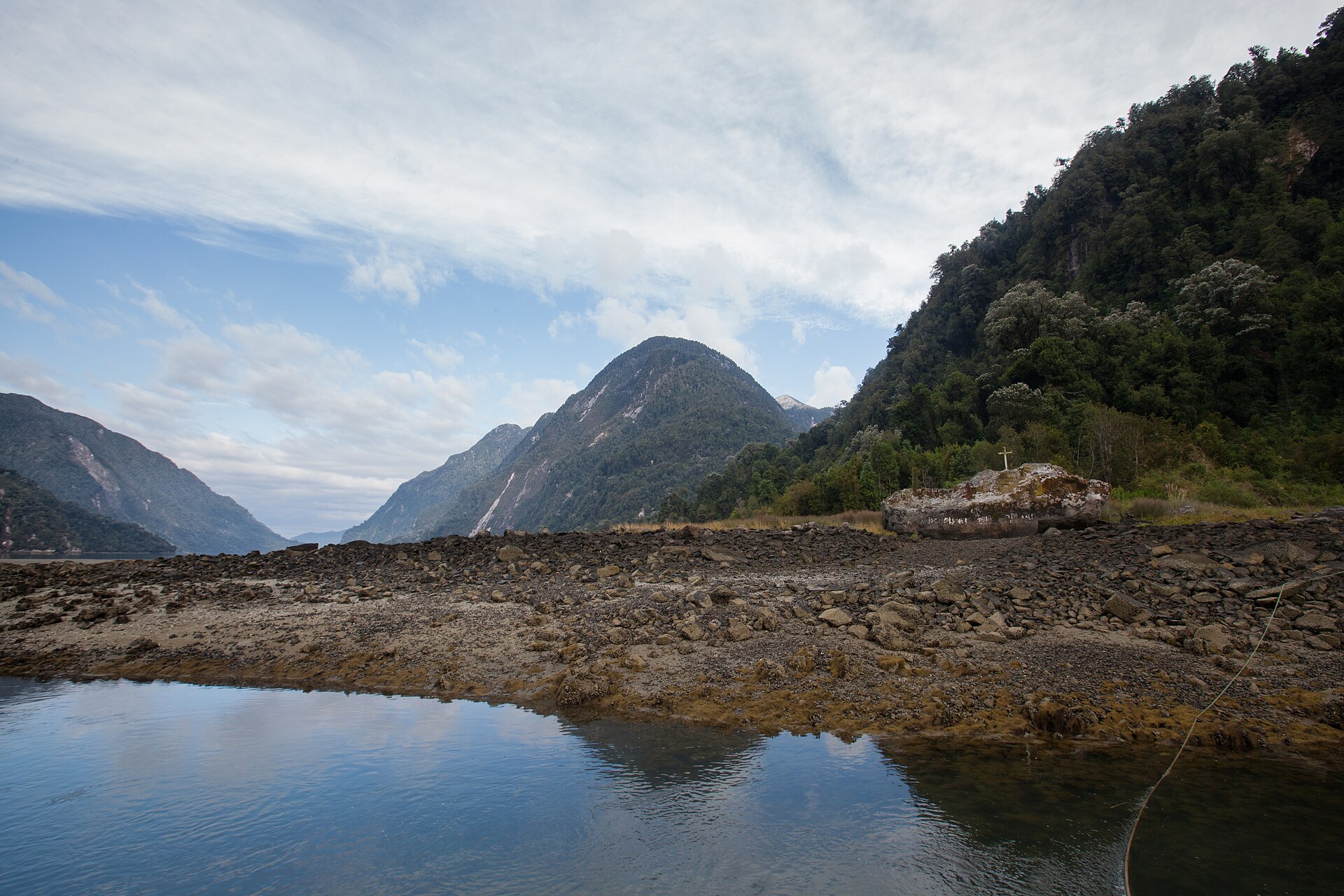
Anders and Anne Holch Povlsen manage extensive private land through WildLand. At Glenfeshie, scientists observed the area for thirty years. After deer numbers were kept down over a long period, sustained woodland regeneration began across 1,151 hectares of previously treeless land in the study area.27
A separate peatland project covered 175 hectares and received public support. Not all of the family’s land has been restored. But the outcome on the specific study area has been measured, and that cannot be left out either.
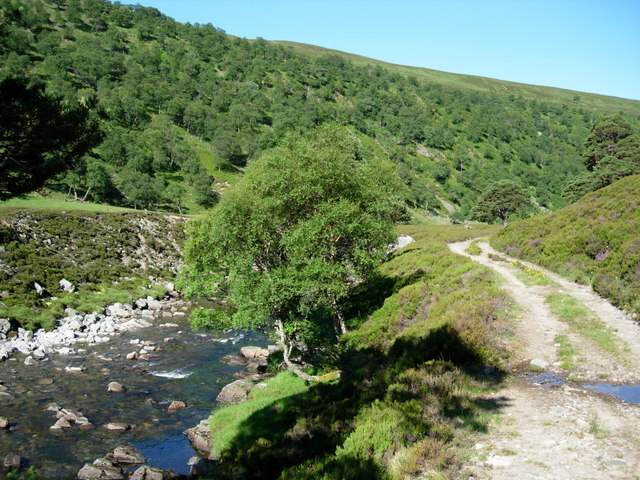
Ted Turner combines private land, foundations, companies, conservation restrictions and partnerships. A permanent conservation easement covers 315,000 acres of Armendaris — a legal restriction protecting the land from development and other incompatible uses. The US Department of Defense paid for part of the project.28 At Cherry Creek, work covered approximately 100 kilometres of aquatic habitat, and more than 50,000 native trout were released.29
Does this mean that all of Turner’s roughly two million acres were restored solely with his personal funds? No. But specific land is protected, and specific work has been carried out.
M. C. Davis spent approximately US$90 million to buy roughly 54,000 acres for Nokuse. This is one of the clearest examples of personal wealth making the first, enormous step possible. The project later received foundation and public funding, partner contributions and compensatory funding.
More than eight million seedlings were planted across approximately 24,000 acres. Between 2006 and 2022, more than 6,000 gopher tortoises were released there.30 These figures do not allow us to declare all 55,000 acres fully restored. They show something else: where work was actually done, and on what scale.
Jack and Laura Dangermond paid US$165 million for 24,364 acres and transferred the land to The Nature Conservancy.31 Here, the personal contribution, purchase price and conserved area all align in the documents.
Restoration work is now under way on particular areas: 150 acres of oak communities, removal of invasive ice plant across 1,000–1,200 acres, and the opening of 12–13 miles of stream habitat to fish.32 But part of the oak work was an obligation of the previous owner, and ongoing management is not funded solely by the Dangermond family.
Lisbet Rausing and Peter Baldwin work through Arcadia Philanthropic Trust. Its open database contains approximately US$614 million in conservation grants.33 The organisations that received this money report 204,955 hectares under restoration, more than one hundred river barriers removed and approximately 1,490 kilometres of river connectivity restored.34
The land does not belong personally to the family. The programmes and their participants produced the results themselves. The foundation’s money helped them do so — that is what the documents support.
The Oppenheimer family expanded Tswalu from approximately 93,000 to 114,000 hectares. A court decision links this purchase to approximately R120 million in family funds.35 Today the project describes approximately 118,000 hectares of former livestock farms where wildlife is being returned — a process of rewilding.
But nature does not move in a straight line from worse to better. Research and audits at Tswalu find both improvement and degradation, as well as a need for continuing management.36 The foundation receives donations, tourism generates commercial income, and the project sells carbon credits. The family genuinely gave it a powerful start. But everything that happens to this land thereafter cannot be reduced to one person and one sum.
The same pattern recurred in several stories. Personal funds helped buy land, protect it from development, create a foundation or begin the work. Other participants then joined the project.
That does not erase the initial contribution. Nor does it give us the right to attribute everything that happened afterwards to one person. The more accurate formulation is: the person invests personal funds, but the project is not financed solely from that person’s money.
What the thirty stories showed
Are there, then, “Forest Lovers” among the owners of extractive capital?
Yes. Among owners of fortunes connected to extraction, we found people and families who voluntarily invest their own money in nature. That is the direct answer to my first question.
But that is where the simple answer ends.
Personal funds, money from a family foundation and expenditure by an extractive company are not the same thing. At extraction sites belonging to participants in our sample, we more often found corporate and legally required expenditure.
We found more cases of conserving existing nature, and they were easier to document. Here is the purchase agreement. Here is the land that was transferred. Here is the conservation restriction. Restoration is more difficult: it is not enough to show planted trees or a green slope. Evidence is needed that the soil and water, native plants and animals, and the connections between them are returning.
This does not make conservation less important. It answers a different question: not how to bring back what has already been lost, but how to prevent what is still alive from disappearing.
Large projects rarely have only one payer. Personal funds may buy the land and start the work. A foundation, conservation organisation, government, grant programme or other donors may then join. The first contribution does not disappear. But the entire subsequent outcome can no longer be credited to one person.
And one more thing. The area owned, the area protected and the area where restoration work is actually taking place are three different figures. A promised area is not yet an outcome. A planted tree is not yet a mature forest. Transferred land is not yet restored land.
All thirty stories are assembled in the table after the article. It shows the source of each fortune, what was done for nature, where the money came from and the documented scale.
Investing in those yet to be born
This investigation has no winner.
I was not looking for the most environmentally minded billionaire, and I did not intend to award anyone the title of “Forest Lover”. I wanted to understand what people with immense fortunes actually do for nature — themselves, voluntarily and with their own money.
It turned out that some owners of extractive capital invest in forests, protected areas, research and restoration projects. That must be said plainly.
But I can now see the boundaries too. Between an individual’s voluntary action and a duty imposed on their company. Between a conserved forest and a reclaimed waste dump. Between a green surface and a living ecosystem. Between a promise and what has already happened on the ground.
My question began in Kuzbass. I saw nature disappearing and wanted to understand whether a person who had derived a fortune from the land gave anything back to it. But the article turned out not to be about whom to blame. It is about what can still be conserved, what must now be brought back, and why this work is sometimes begun for people who do not yet exist.
To conserve nature is to prevent what still exists from disappearing.
To restore is to work with what has already been damaged, and to accept that the result may not appear within our lifetime.
Perhaps the most honest investments in nature are investments in those yet to be born. They will not see someone buy the land, sign the documents or pay for the first project. They will simply inherit — or fail to inherit — a forest, water, soil and a living system capable of existing after us.
I do not need to live long enough to see the forest I dream of beginning to restore grow to maturity.
But I now understand more clearly what must be restored — and what evidence would be needed before I could one day write honestly: this is not merely green land. Here, life comes first again.