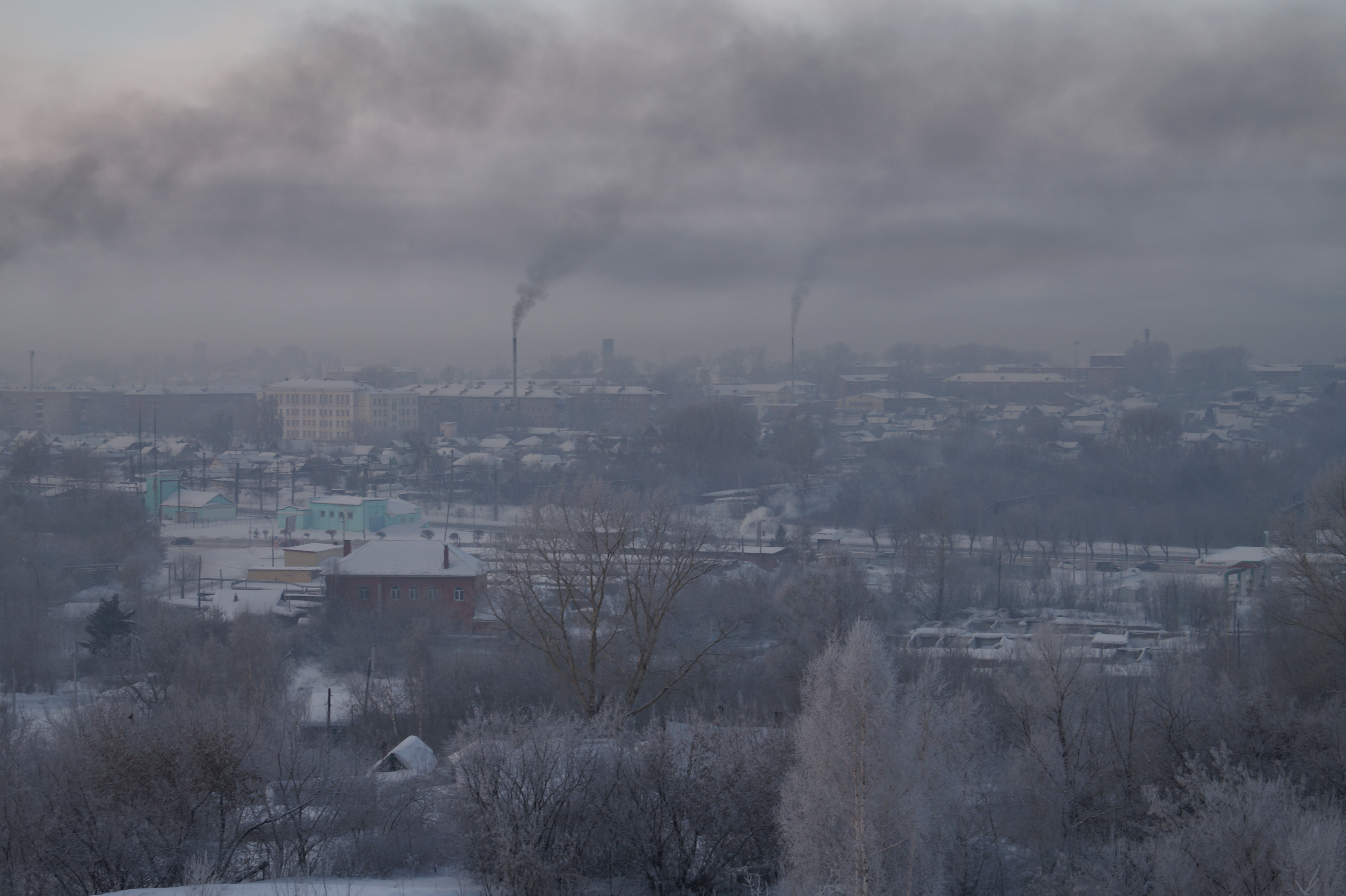
I have two daughters with congenital kidney malformations. During both pregnancies, I lived in Kiselyovsk — a city of open-pit coal mines. My son was born in another country, in another city, and he is healthy.
This is my family’s story. On its own, it does not prove that industrial pollution caused my daughters’ conditions. But it gives me reason to ask questions whose answers I would have wanted before my children were born.
During my first pregnancy, in 2003–2004, I was given no information about the air I was breathing or the exposures I faced. The same was true during my second pregnancy, in 2011–2012. I did not know which pollutants were present around me, at what concentrations, or what they might mean for pregnancy and a child’s development. I had no data with which to assess the risk and make a decision.
Who should safeguard a woman’s right to have healthy children?
We talk a great deal about women’s rights: the freedom to make decisions about our bodies, choose a profession, and decide whether to become mothers. But what happens to that freedom when a woman wants to have a child, while the conditions in which her pregnancy unfolds are almost entirely beyond her control?
Congenital malformations can have many causes. Genetic changes, infections, maternal illnesses, and other factors all require attention. Medical consultations and screening can help assess some risks and, in certain cases, reduce them. But a woman cannot solve the pollution of an entire city in a doctor’s office.
She cannot stop breathing. She cannot clean the air outside her window, the water, or the soil by herself. She cannot shield herself from industrial exposure simply by deciding to be careful.
Someone might say: leave; spend the pregnancy somewhere else. But that requires money, housing, and the ability to leave one’s job and familiar life. Above all, it requires information that explains why such a step might be necessary. If pollution data are unavailable, a woman may not even know that she faces such a choice.
To me, the right to have healthy children is one of the most profound questions of women’s rights. I am not speaking of a guarantee that no child will ever be born with a medical condition. I am speaking of the right to know about threats, to be protected from preventable harm, and to make decisions about one’s pregnancy with the necessary information at hand.
Why should a woman bear sole responsibility for the health of her future child when much of the environment in which that child develops lies beyond her control? Who is responsible for those conditions? Who must measure pollution, communicate risks, and act when a risk is identified?
And of course, this concerns more than women alone. Men live in the same environment, breathe the same air, and drink the same water. Pollution can affect the reproductive health of both parents. The health of future children therefore cannot be reduced to how a woman behaves during pregnancy.
What happens to people in a place where industrial exposure continues for years? Where they do not always know what they are breathing, what they are drinking, or what risks they face? Where leaving is not a realistic option for every family?
Living beside coal mining does not mean voluntarily consenting to every risk associated with it. Remaining in one’s home does not mean surrendering the right to health protection. And when accessible information is absent, people lose even the chance to understand what they need protection from.
Mining continues. Coal is sold. But who counts the price paid by the families living nearby? Who checks whether part of that price is the health of children — including those not yet born?
What do we call a situation in which some people take the profit while others live with the possible consequences for years? Where does acceptable industrial risk end and the destruction of the conditions of life itself begin?
Can this be called ecocide?
I leave that question to the reader.
I cannot go back and change the conditions in which I carried my daughters. But I want to understand what is known today about congenital malformations in Kuzbass — and what is being done for the women and men who live there and plan to become parents.
What follows is an account of what we know, what we still do not know, and who should have ensured that this knowledge existed.
What the official Kuzbass data show
The annual state reports published by Rospotrebnadzor include a line for “congenital anomalies (malformations), deformations and chromosomal abnormalities” among children in their first year of life.
We checked the entries for 2017–2023 against the original tables. The rate ranged from 111.5 to 183.7 registered diagnoses per 1,000 children in their first year of life. It was 144.6 in 2017 and 153.7 in 2023. The share represented by this category among all registered diagnoses rose from 4.9 to 6.3 percent.12
The original reports were published by the Rospotrebnadzor Office for Kemerovo Region–Kuzbass. At the end of this article, we link both to the official reports page and to a machine-readable data series so that the calculation can be reproduced.12
These figures cannot be described as the number of children with congenital malformations. They count registered diagnoses, and one child may have more than one diagnosis. Nor do they prove a sustained increase: the series fluctuates markedly. But they show that congenital pathology occupies a substantial place in the region’s official medical statistics.
Yet the history of the pregnancy disappears from these tables. We cannot see where a woman lived in the first weeks after conception, what she breathed, whether she faced occupational exposures, or how the pregnancy ended if there was no live birth. The statistics report a broad class of diagnoses after birth, but they do not explain the path that led to them.
First, what exactly are we counting?
Congenital malformations are not a single disease. They are a broad class of abnormalities in the formation of organs and body systems. Their causes can differ, and in an individual case the cause often remains unknown.
For this article, we therefore separated data that are easy — but wrong — to combine: diagnoses in infants during the first year of life, congenital malformations in newborns, terminations following a prenatal diagnosis, early pregnancy losses, and illnesses in children after birth. These indicators have different denominators and different meanings.
Nor did we look only for results that confirmed our concerns. We examined null findings, alternative explanations, possible reuse of small samples, and the limitations of published calculations. Detailed tables and verification methods will be included in the article’s evidence appendix.
A signal Kuzbass researchers identified long ago

The most extensive regional study known to us on the relationship between congenital malformations and the environment was carried out by Anna Bachina. In 2015, she defended her dissertation, Hygienic Diagnosis and a Regional Model for Monitoring Congenital Malformations. The complete 150-page volume has been digitized by the Russian State Library, but remote public access is restricted. We have access to the full dissertation abstract and several key publications. Our conclusions about the methods are therefore limited to these available materials.345
The published description of the study covers 34 territories in Kuzbass, 6,813 registered newborns with congenital malformations, and more than 468,000 air, water, and soil samples. The region-wide rate among children in their first year of life rose from 65.8 per 1,000 in 2005 to 134.2 in 2012. In Kiselyovsk, it rose from 87.3 to 280.8 per 1,000 across the same benchmark years. Areas with a high prevalence of congenital malformations often coincided with areas under high anthropogenic and industrial pressure.43
Published registration rate of congenital malformations among children in their first year of life, per 1,000 children
| Year | Kemerovo Region | Kiselyovsk |
|---|---|---|
| 2005 | 65.8 | 87.3 |
| 2007 | 116.6 | 125.1 |
| 2009 | 128.7 | 221.3 |
| 2012 | 134.2 | 280.8 |
This is an aggregate indicator from official medical statistics, not a count of unique children and not an individual risk. In the original table, the ratio of the 2012 rate to the 2005 rate is 2.0 for the region and 3.2 for Kiselyovsk. The study design cannot establish the cause of a malformation in an individual child.
The authors reported statistical associations between congenital malformations and industrial emissions, including emissions from enterprises extracting fuel and energy minerals, as well as hydrocarbons, methane, soot, and several other substances. This is a serious regional signal. But it is a signal at the level of territories and time series, not a proven individual risk for a particular pregnancy.
The available publications also have limitations. Some conclusions rest on short time series, while the underlying values and detailed calculation methods are not fully reported. As a result, some of the claimed statistical significance cannot be independently reproduced from the published text. This does not refute the authors’ analysis, but it prevents an ecological correlation from being treated as the answer to what caused a particular malformation.6
In one publication, the units used for the congenital heart defect time series are inconsistent. Without the original statistical file, it is impossible to determine which unit the authors intended. Details of this check have been retained in the research materials for the future appendix. Limitations like these do not erase the regional signal. They show that the ecological correlations needed to be followed by research at the next level.6
The authors themselves called for this. As early as 2013, specialists wrote that standard indicators did not fully represent the real danger of chemical pollution and that substances and sources needed to be accounted for more precisely. The dissertation proposed a regional registry, mathematical modelling, and inter-agency monitoring.7
What the publications and positions we found reveal about Bachina’s later work
After defending her dissertation, Bachina continued to participate in research on children’s health in the coal and chemical industrial centres of Kuzbass. A 2017 article presented a regional model for monitoring congenital malformations, but it again relied on the 2005–2012 dataset.
In public sources from 2022–2026, Bachina is identified as chief physician of the Centre for Hygiene and Epidemiology in Kemerovo Region–Kuzbass and as an instructor in the Department of Hygiene at Kemerovo State Medical University. In 2025, she participated in an evaluation of the Clean Air project in Kemerovo and Novokuznetsk; congenital malformations were not the subject of that publication.58
The public bibliography does not reveal all of Bachina’s research priorities or justify the conclusion that she stopped working on the subject. Nor can we prove that research into congenital malformations was prohibited: we have no verifiable document to support such a claim. What can be established is narrower: in the public sources we checked, we found no later publication by her with new observation years, individual pregnancy data, and measured exposure during the critical weeks of fetal development.
The question, then, is not directed at one researcher. Once a strong signal had been identified, who should have ensured the next stage — access to the registry, funding, air monitoring, and the linkage of medical data to environmental conditions?
Outcomes that disappear when only live-born children are counted
If we count only live births, severe malformations that ended in early loss, stillbirth, or pregnancy termination after a prenatal diagnosis may disappear from the picture.
In 2024, Polina Saltykova, Svetlana Shramko, Ekaterina Chubar, and Anna Vlasenko published an analysis of 494 medical records belonging to women whose pregnancies had been terminated before 22 weeks after a fetal congenital malformation was detected at Novokuznetsk City Clinical Hospital No. 1. The study covered 2012–2021.9
The overall pregnancy termination rate per 100,000 women of reproductive age did not show a statistically significant increase over the decade. But the composition changed: both the proportion of central nervous system malformations and the pregnancy termination rate due to these malformations increased.
What changed among pregnancy terminations following the detection of congenital malformations
| Indicator | 2012 | 2021 | Trend, 2012–2021 |
|---|---|---|---|
| All terminations due to congenital malformations, per 100,000 women of reproductive age | 24.9 (95% CI 17.5–34.3) | 29.3 (95% CI 20.9–39.9) | No statistically significant trend detected, p = 0.72 |
| Central nervous system malformations as a share of these terminations | 10.8% (95% CI 3.0–25.4) | 25.0% (95% CI 12.7–41.2) | Increase, p = 0.001 |
| Terminations due to central nervous system malformations, per 100,000 women of reproductive age | 2.7 (95% CI 0.7–6.9) | 7.3 (95% CI 3.5–13.5) | Increase, p = 0.032 |
The denominator for the two rates per 100,000 is women of reproductive age in southern Kuzbass, not the number of pregnancies. In 2019, the overall rate reached 42.4 per 100,000, yet the trend across the full decade remained statistically non-significant. The study is based on data from a single specialist hospital. All six 95% confidence intervals in the table above were reported by the authors and were not calculated by us. The methods on page 33 state that the intervals were calculated using the Clopper–Pearson method. The overall rates and intervals are reported in the text and Figure 1 on page 34; the shares of central nervous system malformations are in Table 1 on page 34; and the rates of terminations due to central nervous system malformations are in Table 2 on page 36.
The authors wrote that the increase in indicators for central nervous system malformations required “in-depth systematic analysis.”9
They explicitly raised the need to study causal relationships with the nature of industry in the region. But exposure to pollutants was not measured in the study itself. Once again, we see only one fragment: doctors count severe outcomes, but the available publication does not connect them with an individual woman’s dose.
Genetic susceptibility — another piece of the picture
The bibliographic register we compiled confirms 31 publications or conference papers by Olga Gulyaeva between 2014 and 2026. Fourteen were assigned to the core corpus according to the following criterion: a work had to address pregnancy, congenital malformations, fetal growth restriction, or early reproductive loss directly. Population and occupational studies were recorded separately and were not included in this number.10
This line of research asks whether variants in genes involved in the detoxification of xenobiotics and the response to hypoxia can alter the susceptibility of a woman and fetus in an industrial region. The foundational 2018 study compared only 26 women who had given birth to children with congenital malformations with 27 women in a control group. The authors found notable associations for some gene variants, but statistical uncertainty is considerable with a sample of this size. In the 2022 study, one of the hypothesized associations with congenital malformations was not confirmed.1112
Several later publications report the same sizes for particular groups and some of the same results. This suggests that their samples may overlap partially or completely, but identical numbers alone do not prove that the same women took part. Without additional confirmation, these articles therefore cannot be treated either as fully independent studies or as proven repeat analyses of a single group of participants.
Some studies used city-level pollution indicators or a territorial index of anthropogenic pressure. These are environmental data, but they are not the same as a woman’s personal dose. In the available articles, individual exposure to polycyclic aromatic hydrocarbons (PAHs) or metals during the critical weeks of pregnancy was not measured, and the contribution of a specific coal source was not separated from metallurgy, energy production, transport, and other urban sources.131415161718
But these studies should not be dismissed as useless. They identify associations between certain gene variants and adverse pregnancy outcomes and provide grounds for investigating possible genetic susceptibility. Without individual exposure assessment, however, the findings do not establish how pollution interacted with genotype.
What researchers have found in other coal regions
The warning signs are not confined to Kuzbass.
In Central Appalachia, a study of nearly 1.9 million live births found a higher overall prevalence of congenital malformations in counties where coal was mined by mountaintop removal. In a counteranalysis of West Virginia data, no elevated risk of congenital malformations among residents of counties with this form of mining was found after the hospital of birth was taken into account. The authors attributed the original association to heterogeneity in the data.1920
In a 2022 study, a higher prevalence of gastrointestinal malformations was found in groups with low and high areas of active mining within five kilometres of the mother’s address, compared with the group with no such mining. The result was not statistically significant in the middle group, so the study does not show a consistent increase in risk as the area under mining increases. Individual pollutant doses were not measured, and the study did not adjust for the hospital of birth.21
In China’s Shanxi Province, a population study associated household coal combustion with neural tube defects. Later studies measured PAHs and molecular traces of exposure in biological samples and supplemented their observations with experimental work. This is stronger than a simple comparison between territories, but findings about coal burned in the home cannot automatically be transferred to open-pit mining in Kuzbass.2223
The example of Tongliang, China, is especially important. Researchers recruited two cohorts of nonsmoking mothers and children before and after a coal-fired power plant closed. Following the closure, biological markers of prenatal PAH exposure declined and some measures of child development improved. The study was too small to examine rare congenital malformations, but it demonstrated that it is technically possible to connect a source, an intervention, an internal dose, and an outcome.242526
In California, the rate of preterm birth among women living nearby fell after eight coal- and oil-fired power plants closed. A different study examined a coal-fired power plant in Pennsylvania and areas of New Jersey located downwind: after the plant closed, the probabilities of low birth weight and preterm birth declined. These are two separate studies with two different sets of findings.2728
In Mongolia, a randomized intervention using HEPA filters reduced air pollution in the homes of pregnant women. No convincing change in birth weight was established in the overall sample; a positive result was found in the prespecified subgroup of full-term infants. These studies examined reproductive outcomes other than congenital malformations. Their significance lies in showing that a change in exposure is sometimes accompanied by a change in outcome.29
The body of international literature we assembled is not empty. But its evidence is fragmented: a malformation without a dose, a dose without a malformation, live births without losses, an urban mixture without source apportionment. Warning signs recur throughout this literature, while studies that connect the entire causal chain remain rare.
Why these studies cannot answer the question for my family
Kidney development matters to me in particular. The experiment with benzo[a]pyrene was conducted using a mouse model and embryonic kidney tissue. It shows a biologically plausible pathway by which the developmental programme of the kidney could be disrupted, but it does not establish the origin of a specific malformation in a human being — much less in my daughters.30
To answer the question for a particular family, we would need to know which substances, and at what doses, affected both parents before conception and the woman during the critical weeks of pregnancy. We would need addresses, movements, wind patterns, operating patterns of emission sources, biomarkers, and a complete medical history. Even data of this kind cannot guarantee that the cause of a malformation in an individual child will be established. But they make it possible to assess risk and test hypotheses far more meaningfully. None of the Kuzbass publications we found brings all of these elements together in a single sample.
Other possible causes matter as well: heredity, parental age, infections, diabetes, medication, nutrition and folate, smoking and alcohol, occupation, social conditions, and the quality of diagnosis. The existence of these factors does not prove that pollution is safe. It means that research must consider them simultaneously instead of selecting a single convenient explanation.
Illnesses in children after birth are a separate line of evidence. They should not be mixed with congenital malformations, but neither should they be discarded. In Prokopyevsk, researchers compared pollution with morbidity among children aged 0–14 and found troubling temporal associations. The age group was too broad and the series too short to establish an individual cause. To understand children’s lives after birth, we need non-overlapping data for children under one year, ages 1–4, and ages 5–14; the overall indicator for ages 0–14 can be examined separately.31
Kiselyovsk: what could a pregnant woman have known?
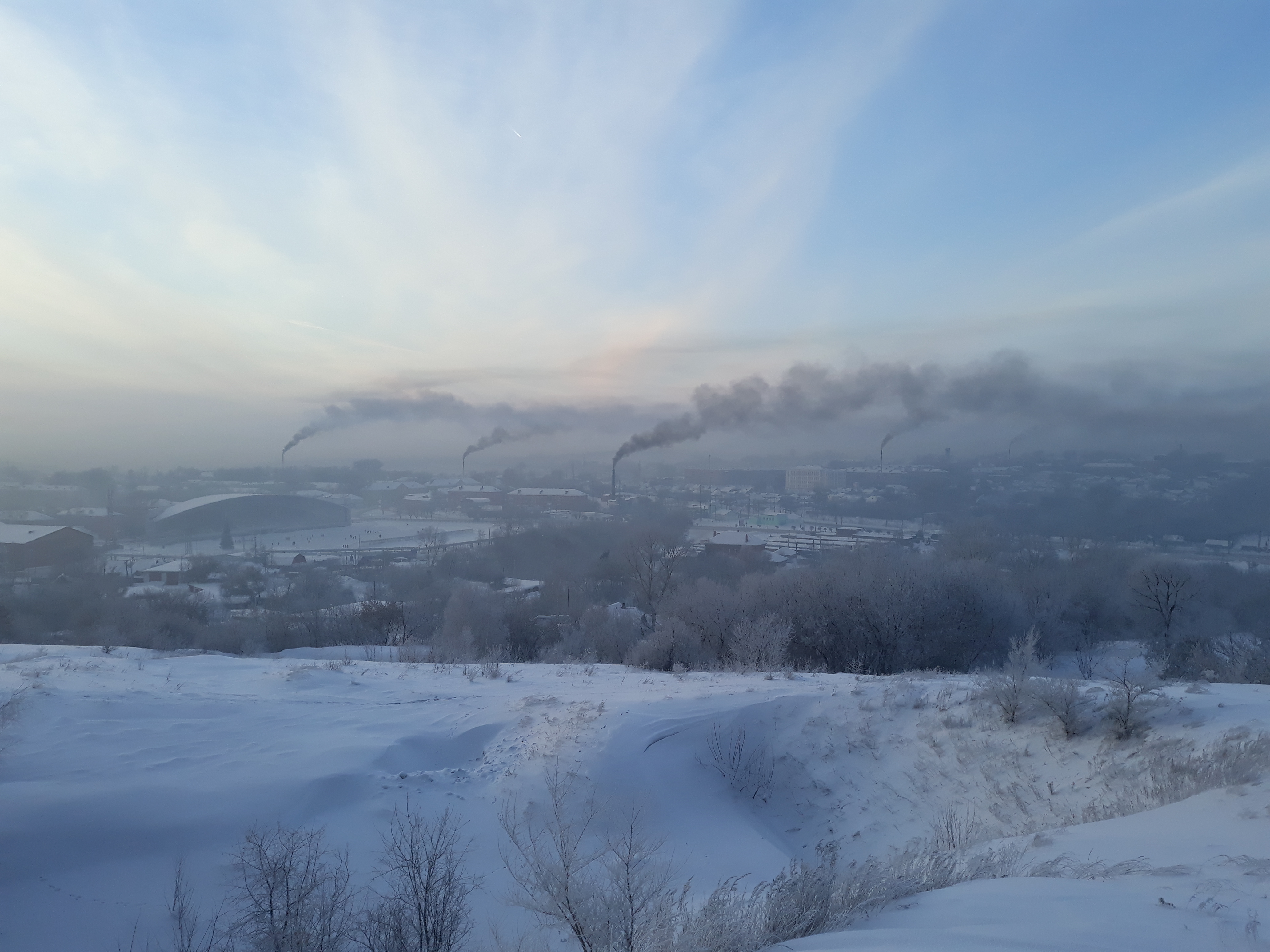
Documents found years later cannot reconstruct the air during my pregnancies in 2003–2004 and 2011–2012.
A response from the Kemerovo Centre for Hydrometeorology dated 22 April 2020 stated that no regular observations of ambient air pollution were being conducted in Kiselyovsk or the Kiselyovsk Urban District. Calculated background concentrations, based on a methodology for cities without observations, were used to set emission standards. Such a calculation is not the same as continuous measurement of what residents were breathing.
In December 2020, Rospotrebnadzor reported exceedances of limits for suspended particulate matter and carbon monoxide at one location, as well as high benzo[a]pyrene readings and preparations for an unscheduled inspection of a boiler house. In the public materials and personal archive we checked, we found no complete public chain leading from the inspection result to a follow-up measurement. This does not mean that an inspection or action definitely did not take place. It means that the available materials do not allow a resident to establish whether the identified risk was eliminated. The authorities’ responses and measurement results are examined in detail in “The Day the Air Was Measured”.32
The measurements from 2020 prove nothing about the air during the years of my pregnancies. The materials we found do not allow my individual exposure during the critical weeks of those pregnancies to be reconstructed reliably.
The absence of a proven association can mean two different things. Sometimes a study has been conducted and no association was found. Sometimes the available data are insufficient for the question to be tested at all. These situations must not be presented as if they were the same.
The right to choose begins with information
Russian law does not guarantee the birth of a child without a medical condition. But the Constitution of the Russian Federation protects motherhood and childhood, the right to health protection, the right to a favourable environment, and the right to reliable information about it. The law on health protection explicitly connects health with the state of the environment. The law on environmental protection requires harm to the environment and health to be prevented and reduced. These rights are further defined by the law on sanitary and epidemiological well-being.33343536
International standards connect reproductive health with a clean and safe environment. In General Comment No. 14, the Committee on Economic, Social and Cultural Rights explained that the right to health extends to its underlying determinants, including a healthy environment and access to information. In General Comment No. 26, paragraph 44, the Committee on the Rights of the Child specifically called for high-quality data and research concerning pregnant women, infants, and children that capture risks during critical windows of development.3738
This is not a right to demand a perfect pregnancy outcome from the state. It is a right to know about preventable risk — and a duty of the state to investigate and reduce that risk.
Children with congenital conditions are no less valuable and no less deserving of love, treatment, support, and a full life. Discussing the prevention of possible harm does not call their value into question. It concerns the duty to reduce preventable risk and not leave families without help.
A woman in a coal-mining city should be able to learn which pollutants are measured near her home, how often, and by whom; whether limits were exceeded before conception and during the first trimester; which sources contributed; and what changed after an inspection. This information should not emerge only after a child is born with an illness, and not only after someone files a complaint.
The advice to “move away,” when given without this information, is not a free choice. It shifts responsibility from those who create and regulate industrial risk to a person who was not even told what she was expected to escape.
Who should connect the fragmented data?
As early as 1998, Russian Ministry of Health Order No. 268 established monitoring of congenital malformations so that their frequency could be compared with environmental contamination by teratogenic and mutagenic substances. The idea of connecting medical and environmental data is therefore not new.39
In public sources, we see these data separately: official indicators of congenital malformations, prenatal diagnoses, pregnancy terminations, small genetic studies, air measurements, corporate reporting, and the results of individual inspections. But we found no public study in Kuzbass that connected a pollution source, actual dose during the critical weeks, a specific malformation, and all pregnancy outcomes.
To move closer to an answer, we need a comprehensive outcomes registry, address histories, independent monitoring of pollutant mixtures, source apportionment, biomarkers in a subset of pregnancies, and consideration of alternative causes. The protocol and analytical methods should be published in advance, and the findings should be reviewed by an independent group. A detailed design for such a study is presented in the evidence appendix.
I cannot establish why we found no such project in public sources. It may not have emerged because of funding, access to data, administrative decisions, research priorities, or some combination of these factors; it may also have remained non-public. I therefore do not attribute motives to individual doctors or researchers. I record the outcome: troubling signals were published, further research was recommended, yet there is no publicly verifiable answer for an individual pregnancy.
This institutional gap has a price. It is not merely another blank table or the inability to write a confident scientific conclusion. The price is paid by the family that makes irreversible decisions without knowing the risk and, years later, remains alone with a question that can no longer be tested.
Scientific caution is essential. But it must not work in only one direction. A family cannot be required to provide impossible proof of individual causation while the data without which such proof cannot be obtained remain disconnected.
When embryonic development is irreversible, waiting is itself a decision. The next pregnancy does not pause until the perfect paper appears.
Responsibility before final proof
Precaution does not mean declaring coal the cause of every malformation. It means measuring exposure where people live; disclosing the data; responding to exceedances; verifying the effects of corrective action; treating pregnancy as a particularly vulnerable window; funding research at an adequate scale; and not shifting industrial risk onto the mother’s behaviour.
This also concerns men. Their reproductive health and the possible contribution of exposure before conception require separate study. But pregnancy creates an additional, time-limited window in which organs form and delay becomes irreversible. Different biological pathways do not make the right to protection any less valuable for either parent.
Under Russian criminal law, ecocide is a specific offence with a very high evidentiary threshold. This article does not establish the elements of that offence or deliver a legal judgment. In international criminal law, a distinct crime of ecocide also remains a subject of ongoing development and debate.404142
But legal caution does not erase the human question with which I began.
Today, I cannot prove why my daughters developed congenital kidney malformations. Nor do the available materials allow the role of preventable industrial exposure to be reliably excluded. The answer has been lost not only in the complexity of biology. It has been lost across years in which data about the environment, pregnancy, and outcomes were never connected into a record that could be examined.
Who should have done this before our children were born? Who must do it now — before the next pregnancy?
I leave the conclusion to the reader.
Documents and studies
Open the full list of sources
The narrative uses short source numbers. Here, each document or publication is listed separately. Detailed calculations, table references, and methodological analyses have been retained in the research materials for the future evidence appendix.
State reports of the Rospotrebnadzor Office for Kemerovo Region–Kuzbass. Official reports page used to verify the 2017–2023 series.
Machine-readable series on congenital malformations among children in their first year of life, 2017–2023. CSV containing the years, values, and bibliographic locations of the original tables.
A. V. Bachina’s dissertation on regional monitoring of congenital malformations. Russian State Library catalogue record; remote access to the full volume is restricted.
Abstract of A. V. Bachina’s dissertation. The accessible document used to verify the methods and principal findings.
Regional model for monitoring congenital malformations, Bachina et al., 2017. Analysis of the 2005–2012 dataset.
Fetal congenital malformations and short time series, Shabaldin et al., 2014. The underlying values and calculation details are not fully reported.
Priorities for social and hygienic monitoring in Kemerovo Region, 2013. An article by L. A. Glebova, A. V. Bachina, and E. V. Koskina in an official Rospotrebnadzor proceedings volume.
Evaluation of the Clean Air project in Kemerovo and Novokuznetsk, 2025. A publication co-authored by A. V. Bachina; congenital malformations were not its subject.
Pregnancy terminations following the detection of congenital malformations, Saltykova, Shramko, Chubar, and Vlasenko, 2024. The bibliographic record names P. E. Saltykova, S. V. Shramko, E. A. Chubar, and A. E. Vlasenko; the methods define the denominator as women of reproductive age in southern Kuzbass. The authors state on page 33 that 95% confidence intervals were calculated using the Clopper–Pearson method. The relevant values appear in the text and Figure 1 on page 34, Table 1 on page 34, and Table 2 on page 36.
Bibliographic register of Olga Gulyaeva’s work, 2014–2026. CSV listing 31 verified publications or conference papers, 14 of them in the core corpus under the criterion stated in the article.
Congenital malformations and variants of biotransformation genes, Gulyaeva et al., 2018. Small sample: 26 women in the congenital-malformation group and 27 controls.
Congenital malformations and an HIF1A gene variant, Gulyaeva et al., 2022. One of the hypothesized associations with congenital malformations was not confirmed.
Anthropogenic pressure and congenital malformations, Gulyaeva et al., 2021. The study used a territorial pressure indicator, not a woman’s personal dose.
CYP1A2, breast cancer, and loss of a first pregnancy, 2023. A publication from Olga Gulyaeva’s research line.
GSTM1/GSTT1 and embryonic demise, 2024. A publication from Olga Gulyaeva’s research line.
CYP1A2/GSTM1 and pregnancy disorders, 2024. A publication from Olga Gulyaeva’s research line.
CYP1A1, major obstetric syndromes, and congenital malformations, 2025. A publication from Olga Gulyaeva’s research line.
GSTM1/GSTT1 and major obstetric syndromes, 2025. A publication from Olga Gulyaeva’s research line.
Congenital malformations in Appalachian counties with mountaintop-removal mining, Ahern et al., 2011. A study of nearly 1.9 million live births.
Counteranalysis of West Virginia data, Lamm et al., published online in 2014. No elevated risk of congenital malformations was found after adjustment for the hospital of birth.
Mining activity in Appalachia and gastrointestinal malformations, Cooper et al., 2022. The findings do not show a consistent increase in risk with increasing area under mining.
Household coal combustion and neural tube defects in Shanxi, Li et al., 2011. The exposure scenario differs from open-pit mining in Kuzbass.
PAHs, DNA adducts, and neural tube defects in Shanxi, 2026. A study of biological samples and molecular traces of exposure.
Tongliang: molecular markers before the closure of a coal-fired power plant, Tang et al., 2006. The study was not designed to examine rare congenital malformations.
Tongliang: child development before and after the closure of a coal-fired power plant, Perera et al., 2008. The study compared two cohorts of mothers and children.
Tongliang: molecular findings after the plant closure, 2014. The study links the intervention with PAH biomarkers.
Power plant closures and preterm birth in California, Casey et al., 2018. After eight coal- and oil-fired plants closed, the rate of preterm birth nearby declined.
Coal-fired power plant closure and pregnancy outcomes in New Jersey, Yang and Chou, 2018. The plant was in Pennsylvania; the study examined downwind areas of New Jersey.
Mongolia: the randomized UGAAR study, Barn et al., 2018. No convincing change in birth weight was established in the overall sample.
Benzo[a]pyrene and kidney development, experimental study, 2011. The work used a mouse model and embryonic kidney tissue.
Pollution and children’s health in Prokopyevsk, Glebova et al., 2013. The study used short time series and a combined 0–14 age group.
“The Day the Air Was Measured”. An investigation into official responses and air measurements in Kiselyovsk.
Constitution of the Russian Federation. Motherhood and childhood, health protection, a favourable environment, and reliable information about it.
Federal Law No. 323-FZ, “On the Fundamentals of Health Protection in the Russian Federation”. Connects health protection with the state of the environment.
Federal Law No. 7-FZ, “On Environmental Protection”. Prevention and reduction of harm to the environment and human health.
Federal Law No. 52-FZ, “On the Sanitary and Epidemiological Well-Being of the Population”. Sanitary and epidemiological requirements and citizens’ rights.
General Comment No. 14 of the Committee on Economic, Social and Cultural Rights. The right to health and its underlying determinants, including the environment and information.
General Comment No. 26 of the Committee on the Rights of the Child. Paragraph 44 addresses data and research on critical windows of development.
Russian Ministry of Health Order No. 268 of 10 September 1998. A document establishing monitoring of congenital malformations in children.
Article 358 of the Criminal Code of the Russian Federation. The Russian legal provision on ecocide.
Vanuatu’s proposal for an amendment to the Rome Statute. An international initiative to add ecocide to the list of crimes.
Policy of the Office of the Prosecutor of the International Criminal Court on environmental harm. A policy addressing environmental damage under the existing Rome Statute.
Environmental and hygienic aspects of congenital-malformation patterns in Kuzbass, Bachina et al., 2015. Table 1 gives registration rates among children in their first year of life for Kemerovo Region, Kiselyovsk, and other territories in 2005, 2007, 2009, and 2012.